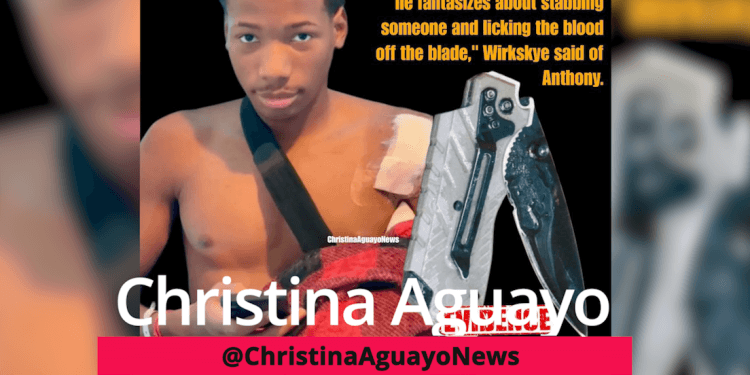
That same morning, Anthony sent a text message saying he was “lowk on the verge,” emphasizing the point.
Under Texas Rule of Evidence 404(b), evidence of other crimes, is generally not admissible to prove a defendant’s character.
Judges don’t like letting the jury hear about a defendant’s other bad behavior or violent text messages in this case, just to make him look like a bad person. The law says the jury should focus on what actually happened in this specific case, not on whether the defendant seems like a bad guy in general – so it’s possible that Judge John Roach did not allow the threats or text messages in.
Those messages are extremely powerful and extremely ugly. A jury that hears “I’m going to lick the blood off the blade” might have decided Anthony was guilty just because the texts make him sound monstrous – even if the evidence about the actual stabbing was weaker. Judges worry that kind of evidence will unfairly inflame the jury, so they often block it or only allow a watered-down version.
- The texts (“I’m lowk on the verge,” “when I stab somebody I’m gonna lick their blood off the blade”) are classic 404(b) material.
Even if the evidence is relevant under 404(b), the judge can still keep it out under Rule 403 if its unfair prejudice substantially outweighs its probative value. A text in which a teenager talks about licking blood off a blade is extremely prejudicial.
Today, Wirskye said that every decision on these issues was made with the consent of the original trial lawyers – meaning the first team either:
- Chose not to fight to get the text messages and threats included, or were limited by a pre-trial ruling and decided not to fight it.
Sometimes prosecutors deliberately withhold the most inflammatory evidence if they believe they already have a strong case, to reduce the risk of a successful appeal or mistrial.
Sending text messages that Anthony wanted to stab someone and lick the blood off the knife, and an hour later Metcalf was stabbed to de*th – may have resulted in the jury focusing on the comments rather than the crime – which could have led to a successful appeal
If the prosecutor had been allowed to show the jury those extremely graphic texts (especially the “lick their blood off the blade” message), the defense could later argue on appeal:
“The jury didn’t convict him because of the evidence about the stabbing itself. They convicted him because those texts made him look like a monster.”
Appellate courts take that argument seriously. If they agree the texts were too inflammatory and unfairly swayed the jury, they can throw out the conviction and order a new trial.
So the original judge (or the original prosecutors) may have decided:
- Better to win a “clean” conviction that is harder to overturn on appeal,
- rather than risk using the most shocking evidence and then losing the whole case later.